Maintaining a clean and efficient outdoor drainage system is one of the most overlooked aspects of groundskeeping, yet it plays a critical role in protecting your property from water damage and costly repairs. Leaves, grass clippings, soil runoff, and organic debris can quickly accumulate in outdoor drains, especially during seasonal changes or after heavy rainfall. Without regular attention, this buildup can clog pipes, slow water flow, and even lead to standing water that damages landscaping and creates an environment for pests. Homeowners and property managers who take a proactive approach to groundskeeping can significantly reduce the risk of these issues by understanding how debris moves across their property and where it tends to collect.
Smart Landscaping to Minimize Debris
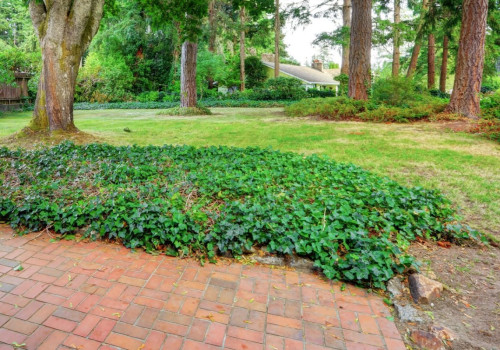
One of the most effective ways to prevent buildup in outdoor drain systems is to design your landscape with drainage in mind. Strategic planting, proper grading, and the use of ground cover materials like gravel or mulch can help control soil erosion and keep debris away from drain openings. For example, planting shrubs or installing barriers near drains can act as natural filters, catching leaves and debris before they enter the system. Additionally, maintaining a gentle slope away from your home ensures that water flows properly toward designated drainage areas instead of pooling in unwanted spots. Regular lawn care practices, such as trimming overgrown plants and removing fallen leaves promptly, also play a vital role in keeping drains clear and functional.
Routine Maintenance Practices
Consistent maintenance is essential for preventing buildup and ensuring your outdoor drainage system operates efficiently. This includes routinely inspecting drain covers, clearing visible debris, and flushing drains with water to remove minor blockages before they become serious problems. Gutter cleaning is equally important, as clogged gutters can overflow and send debris directly into outdoor drains. During peak seasons like autumn, when leaf accumulation is highest, increasing the frequency of inspections can make a significant difference. If you notice slow drainage or unusual odors, it may be an early sign of a developing clog that requires immediate attention. In such cases, seeking professional help, such as searching for a "licensed plumber near me", can ensure the issue is addressed properly and prevent further damage.
Preventative Upgrades and Solutions
Beyond routine care, investing in preventative measures can enhance the longevity and efficiency of your outdoor drainage system. Installing drain guards or grates is a simple yet effective way to block larger debris from entering pipes. French drains, dry wells, and catch basins can also be integrated into your landscape to manage excess water and reduce strain on primary drainage lines. These solutions not only help prevent buildup but also improve overall water management across your property. For areas prone to heavy rainfall, upgrading to larger or more durable drainage components may be necessary to handle increased water flow and minimize the risk of overflow or backups.
Long-Term Benefits of Proper Groundskeeping
Effective groundskeeping goes beyond aesthetics—it directly impacts the health and safety of your property. By implementing thoughtful landscaping, maintaining a regular cleaning schedule, and investing in preventative solutions, you can protect your outdoor drainage system from buildup and extend its lifespan. This proactive approach reduces the likelihood of unexpected repairs, preserves the integrity of your landscape, and ensures that water is directed safely away from your home. Over time, these efforts contribute to a more sustainable and resilient property, allowing you to enjoy a well-maintained outdoor space without the stress of recurring drainage issues.