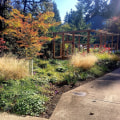
Groundskeeping is often associated with aesthetics—lush lawns, trimmed hedges, and well-maintained landscapes—but its role extends far beyond visual appeal. Proper groundskeeping directly supports the functionality and longevity of a property’s exterior systems, including drainage, irrigation, and even structural foundations. When outdoor spaces are neglected, debris, overgrowth, and soil displacement can interfere with how these systems operate, leading to costly repairs over time. By maintaining a clean and organized landscape, property owners can prevent minor issues from escalating into major structural or mechanical failures.
Managing Water Flow and Drainage Effectively
One of the most critical ways groundskeeping contributes to exterior system performance is through effective water management. Poor drainage can result in standing water, soil erosion, and foundation damage. Regularly clearing gutters, downspouts, and yard drains ensures that water flows away from the property as intended. Additionally, grading the landscape properly and maintaining vegetation can help control runoff and reduce the risk of flooding. Overgrown plants and clogged drainage paths can quickly disrupt this balance, emphasizing the importance of consistent maintenance. When water is properly managed, exterior systems such as sump pumps and underground drainage lines function more efficiently and experience less wear.
Protecting Utility Systems Through Landscape Care
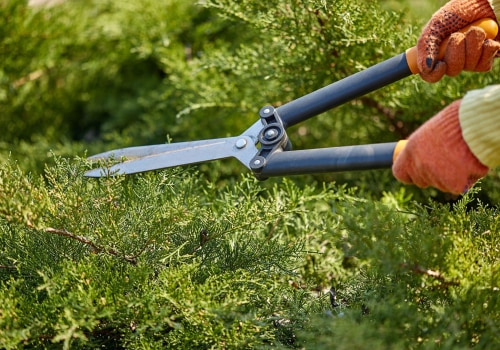
Groundskeeping also plays a vital role in protecting essential utility systems that run beneath and around a property. Tree roots, for example, can invade underground pipes and disrupt electrical or plumbing lines if left unchecked. Regular pruning and strategic planting help prevent these issues while preserving the health of the landscape. In some cases, major upgrades like electrical panel replacement in Austin may be necessary to support modern energy demands, and maintaining clear, accessible outdoor spaces ensures that technicians can perform such work safely and efficiently. A well-maintained yard reduces obstacles and minimizes the risk of accidental damage to utility infrastructure during repairs or installations.
Enhancing System Efficiency and Longevity
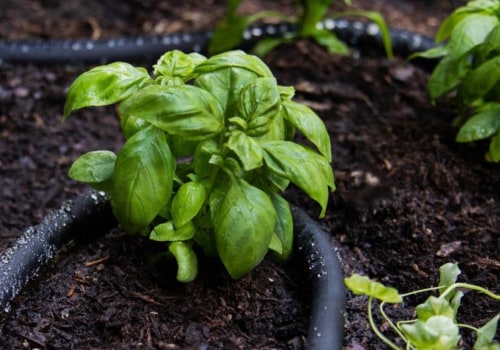
Consistent groundskeeping not only prevents damage but also enhances the efficiency and lifespan of exterior systems. Irrigation systems, for instance, perform best when sprinkler heads are unobstructed and properly aligned. Leaves, dirt, and overgrowth can block water distribution, leading to uneven coverage and wasted resources. Similarly, outdoor HVAC units require clear surroundings to maintain proper airflow; debris buildup can reduce efficiency and increase energy consumption. By keeping these areas clean and free of obstructions, property owners can ensure that all exterior systems operate at peak performance while minimizing maintenance costs.
Long-Term Benefits of Integrated Outdoor Maintenance
Taking a proactive approach to groundskeeping creates a strong foundation for overall property maintenance. When exterior systems are supported by a well-maintained landscape, they are less likely to experience unexpected failures or require frequent repairs. This integrated approach not only saves money but also enhances safety and comfort for occupants. Over time, the benefits become even more apparent, as properly maintained systems contribute to higher property value and improved environmental sustainability. Groundskeeping, when viewed as an essential part of property management rather than a cosmetic task, becomes a powerful tool for preserving the functionality and reliability of all exterior systems.