Routine groundskeeping is often associated with maintaining a property’s appearance, but it also plays a crucial role in protecting plumbing systems from avoidable damage. Outdoor areas directly influence how water flows, how soil behaves, and how roots develop—all of which can impact underground pipes and drainage systems. When grounds are neglected, issues such as overgrown vegetation, compacted soil, and poor grading can disrupt natural water flow and increase pressure on plumbing infrastructure. By maintaining outdoor spaces consistently, homeowners can create conditions that support both landscape health and plumbing efficiency.
Managing Water Flow and Preventing Drainage Issues
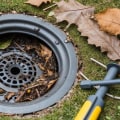
One of the most important ways groundskeeping helps avoid plumbing repairs is through proper water management. Regular lawn maintenance, including mowing, aeration, and debris removal, ensures that water is absorbed evenly into the soil rather than pooling in specific areas. Standing water can seep into the ground and place unnecessary stress on pipes, potentially leading to leaks or structural damage. Additionally, keeping gutters, downspouts, and yard drains clear allows rainwater to flow away from the home efficiently. Homeowners who want to learn more about effective water management often find that combining groundskeeping practices with drainage improvements provides the best results for long-term system stability.
Controlling Root Growth to Protect Pipes
Groundskeeping also plays a vital role in controlling root growth, which is a common cause of plumbing issues. Trees and shrubs naturally seek out moisture, and their roots can infiltrate pipes if they are planted too close or left unmanaged. Regular trimming, proper plant selection, and strategic placement of vegetation help minimize this risk. Removing invasive plants and maintaining healthy soil conditions further discourage aggressive root expansion. By proactively managing vegetation, homeowners can reduce the likelihood of blockages, leaks, and other root-related plumbing problems.
Supporting Soil Health and Structural Stability
Healthy soil is essential for both landscaping and plumbing protection. Groundskeeping practices such as aeration and proper fertilization improve soil structure, allowing water to drain efficiently and reducing the risk of erosion. Stable soil conditions help keep underground pipes in place, preventing shifts that could lead to cracks or misalignment. Additionally, maintaining consistent moisture levels in the soil reduces stress on both plants and plumbing systems. By creating a balanced environment, homeowners can ensure that their outdoor spaces remain functional and supportive of essential infrastructure.
Long-Term Benefits of Integrated Maintenance
Incorporating routine groundskeeping into overall home maintenance offers significant long-term benefits. By addressing potential issues before they escalate, homeowners can avoid costly plumbing repairs and extend the lifespan of their systems. A well-maintained landscape not only enhances curb appeal but also contributes to the stability and efficiency of the entire property. Over time, this proactive approach leads to fewer emergencies, lower maintenance costs, and improved property value. Ultimately, understanding the connection between groundskeeping and plumbing allows homeowners to take a more comprehensive approach to maintenance, ensuring that both their outdoor spaces and critical systems remain in optimal condition for years to come.