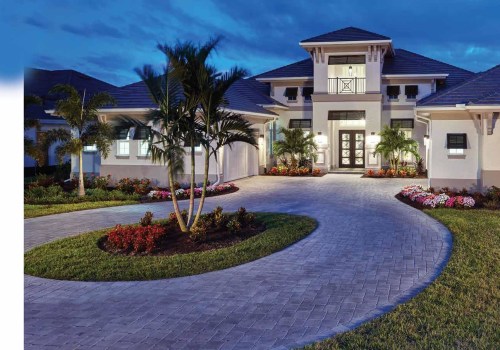
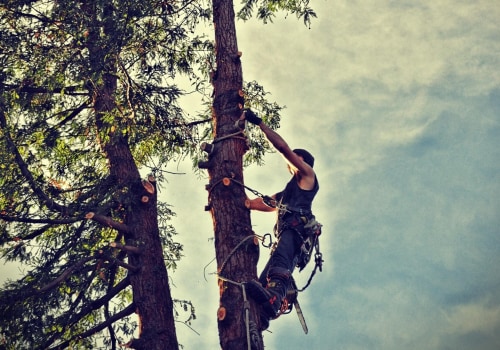
Groundskeeping is commonly viewed as the routine task of mowing lawns, trimming hedges, planting seasonal flowers, and removing fallen leaves. While these responsibilities are certainly important, they represent only one part of maintaining a healthy and functional outdoor environment. Effective groundskeeping is a comprehensive process that requires careful planning, ongoing monitoring, and an understanding of how every element of a landscape works together. Residential neighborhoods, commercial properties, educational campuses, and public spaces all depend on well-maintained grounds not only to create an attractive appearance but also to support safety, accessibility, and long-term property value. Looking beyond surface-level maintenance allows property owners to address issues before they become costly repairs while ensuring outdoor spaces remain resilient throughout changing seasons and varying weather conditions.
Strategic Planning Creates Healthier Landscapes
Successful groundskeeping begins with a detailed assessment of the property's natural conditions. Soil quality, drainage patterns, sun exposure, wind direction, and existing vegetation all influence how a landscape should be maintained. Without understanding these factors, even the most consistent lawn care efforts may produce disappointing results. Proper planning includes selecting plants that thrive in the local climate, designing efficient irrigation systems, and developing maintenance schedules that support healthy growth rather than simply maintaining appearances. Regular inspections of trees, shrubs, turf, and landscape infrastructure help identify signs of disease, pest activity, erosion, or water-related problems before they spread. In many larger projects, collaboration with experienced professionals, including companies such as Open Concept Engineering, helps ensure that landscaping improvements are coordinated with grading, drainage, utility planning, and other structural considerations that influence the long-term performance of the entire property.
Maintenance Extends Beyond Seasonal Tasks
Seasonal cleanup remains an essential component of groundskeeping, but effective maintenance continues throughout the entire year. Landscapes constantly respond to changing temperatures, rainfall, foot traffic, and environmental stress. Monitoring irrigation performance during dry periods, adjusting watering schedules based on seasonal needs, inspecting drainage after heavy storms, and pruning trees at appropriate times all contribute to healthier landscapes. Groundskeepers also evaluate hardscape features such as sidewalks, retaining walls, outdoor lighting, and pathways because these elements directly affect both functionality and visitor safety. Preventive maintenance minimizes the likelihood of expensive emergency repairs while preserving the visual appeal of the property. Even seemingly small tasks, such as maintaining mulch depth, aerating compacted soil, and monitoring root development near structures, can significantly improve the overall health and longevity of outdoor spaces.
Sustainability and Long-Term Property Value
Modern groundskeeping increasingly emphasizes sustainability alongside appearance. Responsible landscape management includes conserving water through efficient irrigation, reducing unnecessary chemical applications, encouraging healthy soil biology, and selecting native or drought-tolerant plants whenever appropriate. Composting organic waste, protecting mature trees, and minimizing erosion all contribute to healthier ecosystems while reducing maintenance costs over time. Property owners who adopt these practices often benefit from stronger plant growth, lower utility expenses, and landscapes that require fewer corrective interventions. In addition, well-maintained outdoor environments create positive first impressions for visitors, customers, tenants, and prospective buyers, making groundskeeping an important investment rather than a routine expense.
Ultimately, effective groundskeeping is about creating outdoor spaces that remain functional, attractive, and environmentally responsible throughout every season. It requires ongoing observation, proactive planning, collaboration among qualified professionals, and a commitment to preserving both natural and built features across the property. When maintenance extends beyond mowing grass and performing seasonal cleanup, landscapes become healthier, safer, and better equipped to meet the changing needs of the people who use them. By viewing groundskeeping as a long-term management strategy instead of a collection of isolated maintenance tasks, property owners can protect their investment while enjoying outdoor spaces that continue to thrive for many years.